
How to Winterize Your Sprayer: A Pump-by-Pump Guide
Posted by Adam Petrillo on Nov 2, 2026
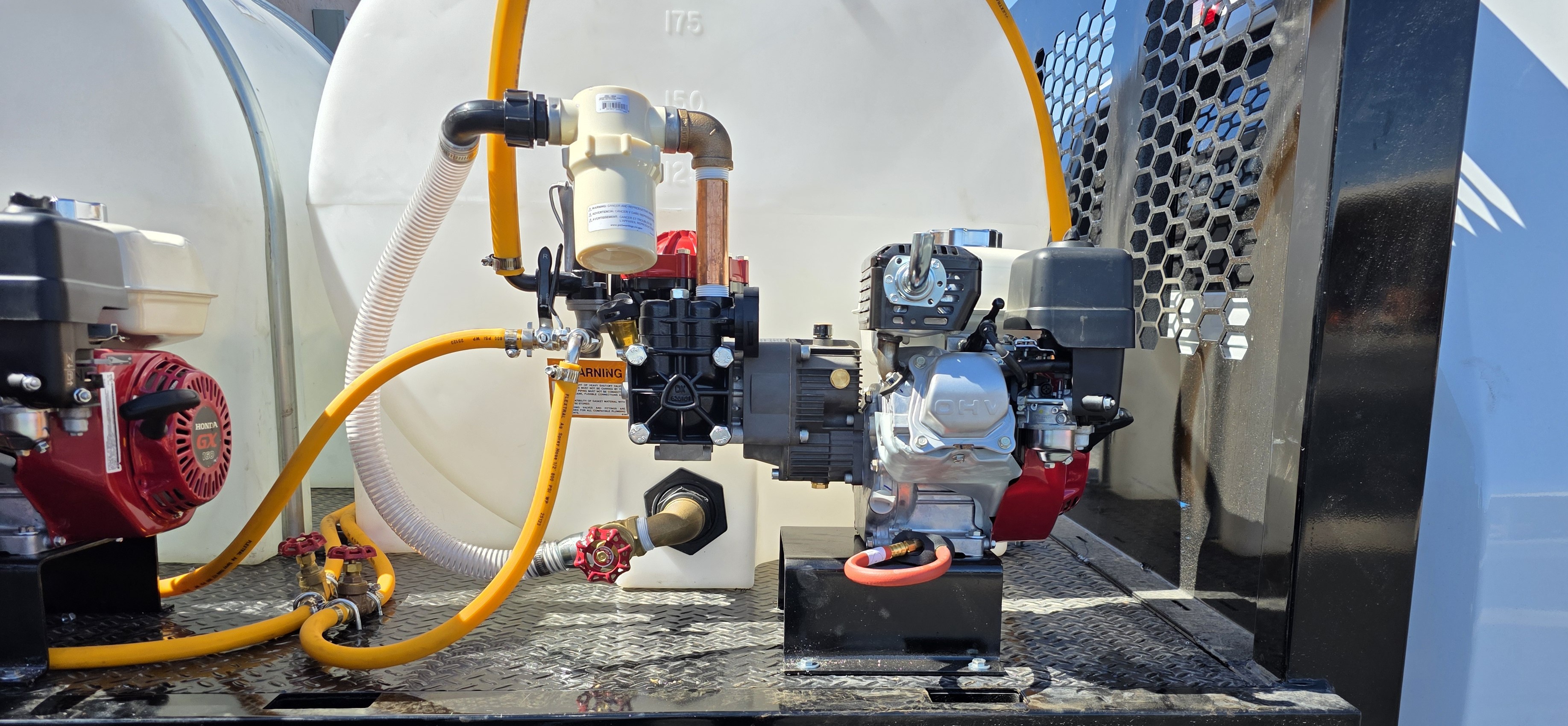
Water expands when it freezes. If it's left inside your pump, regulator, hoses, or gun overnight in freezing weather, it can crack pump heads, split valve bodies, and ruin diaphragms. Freeze damage is one of the most expensive spring surprises in the spray business, and it's usually not covered by warranty.
The good news: winterizing a sprayer takes about an hour and a few dollars of antifreeze. This guide covers the steps that apply to every rig, then the specifics for the pumps we see most often on our rigs, including AR, Maruyama, Comet, Shurflo, and Pumptec.
If your rig works or sits anywhere that drops below freezing, from northern Arizona's high country to colder states, this is for you.
What you'll need
- RV antifreeze (the pink, propylene glycol kind sold at hardware, auto parts, and RV stores)
- A bucket or container to catch flush water
- Gloves and eye protection
- Basic hand tools for filter bowls and nozzles
- Compressed air (optional, but helpful for long hose runs)
- Your pump and engine manuals
Step 1: Rinse the whole system
Fill the tank with clean water and spray it through every outlet: the gun, the hose reel, the bypass, and any agitation lines. Follow your chemical label's rinse and disposal instructions. Chemical residue left sitting all winter can corrode wetted parts and eat away at diaphragms and seals.
Step 2: Drain everything
Empty the tank completely. Open drain plugs and petcocks, and let the pump run briefly to push out remaining water. On longer hose runs, blowing the lines out with compressed air gets out water that draining alone leaves behind.
Step 3: Clean filters, strainers, and nozzles
Pull the inlet strainer and any line filters, clean them, and check for tears or cracks [Filters & Line Strainers]. Remove the nozzles, clean the tips, and store them indoors.
Step 4: Run antifreeze through the system
Pour RV antifreeze into the clean, drained tank. A small skid rig may only need a gallon or two, but long hoses and larger tanks take more, so plan for extra. Start the pump at low pressure and open each outlet one at a time (gun, bypass, agitation) until pink antifreeze comes out of every one. Then shut the pump off. The antifreeze displaces any trapped water and keeps seals from drying out.
Step 5: Inspect the pump before you store it
End of season is the best time to catch problems, since parts can arrive before you need the rig again.
- On oil-filled diaphragm pumps (AR, Comet), check the oil level and color. Milky or whitish oil means water is getting in, usually from a broken diaphragm. Replace the diaphragms and oil before storage [AR Pumps & Parts].
- Check hoses for cracks, swelling, or rub spots.
- Make sure mounting bolts are tight.
Step 6: Store it right
Keep the rig covered and dry. Plug or cap open ports so dirt and rodents stay out, since mice love chewing hoses and wiring. If you can pull the pump and store it somewhere heated, even better. For gas engines, add fuel stabilizer or drain the fuel per your engine manual. For 12-volt rigs, charge the battery, disconnect it, and keep it on a maintainer.
Pump-by-pump notes
AR252, AR40, and AR70 diaphragm pumps
These are oil-filled, semi-hydraulic diaphragm pumps. AR recommends flushing with clean water and running the pump until empty after every use, not just at the end of the season. For storage in freezing weather, AR makes its own pump protection fluid, and RV antifreeze is the common alternative. Check the oil sight glass before storage and again before startup. These pumps use 30-weight non-detergent oil.
Maruyama MSD41 and MSD51 piston pumps
Maruyama's guidance centers on draining all water from the pump and hoses completely before winter. Use the drain plug, follow the drain steps in your manual, and check the crankcase oil level while you're at it.
Comet MC25 diaphragm pump
Comet recommends having the pump draw in antifreeze before storage in cold areas, then following the rest of the storage steps for your rig. Check the oil level and color just like the AR pumps.
Shurflo and Pumptec 12-volt pumps
Small electric pumps are easy to forget, and their compact heads crack easily when they freeze. Drain the system, run RV antifreeze through until it comes out the gun, and store the pump somewhere dry. Disconnect the battery for the winter.
RV antifreeze vs. automotive antifreeze
You'll see both recommended. Some pump manufacturers mention automotive (ethylene glycol) antifreeze, but most sprayer makers recommend RV antifreeze because it's non-toxic and biodegradable. For pest control and landscape rigs, RV antifreeze is the safer choice. Always check your pump's manual, and never use automotive antifreeze in anything that touches drinking water.
Spring startup
- Before starting the pump, make sure nothing inside is still frozen. Never run a pump with frozen fluid in it.
- Check oil levels, hoses, filters, and mounting bolts.
- Fill the tank with clean water and flush all the antifreeze out at low pressure into a container. Dispose of it properly, and don't spray it onto lawns or plants.
- Reinstall clean nozzles and you're ready to work.
Need parts or a hand?
If you find milky oil, leaks, or a cracked part while winterizing, we can help. QSpray stocks diaphragm kits, valve kits, filters, and replacement pumps, and our Phoenix shop repairs spray rigs and pumps. Call us at (602) 371-1993 or shop online at qspray.com.